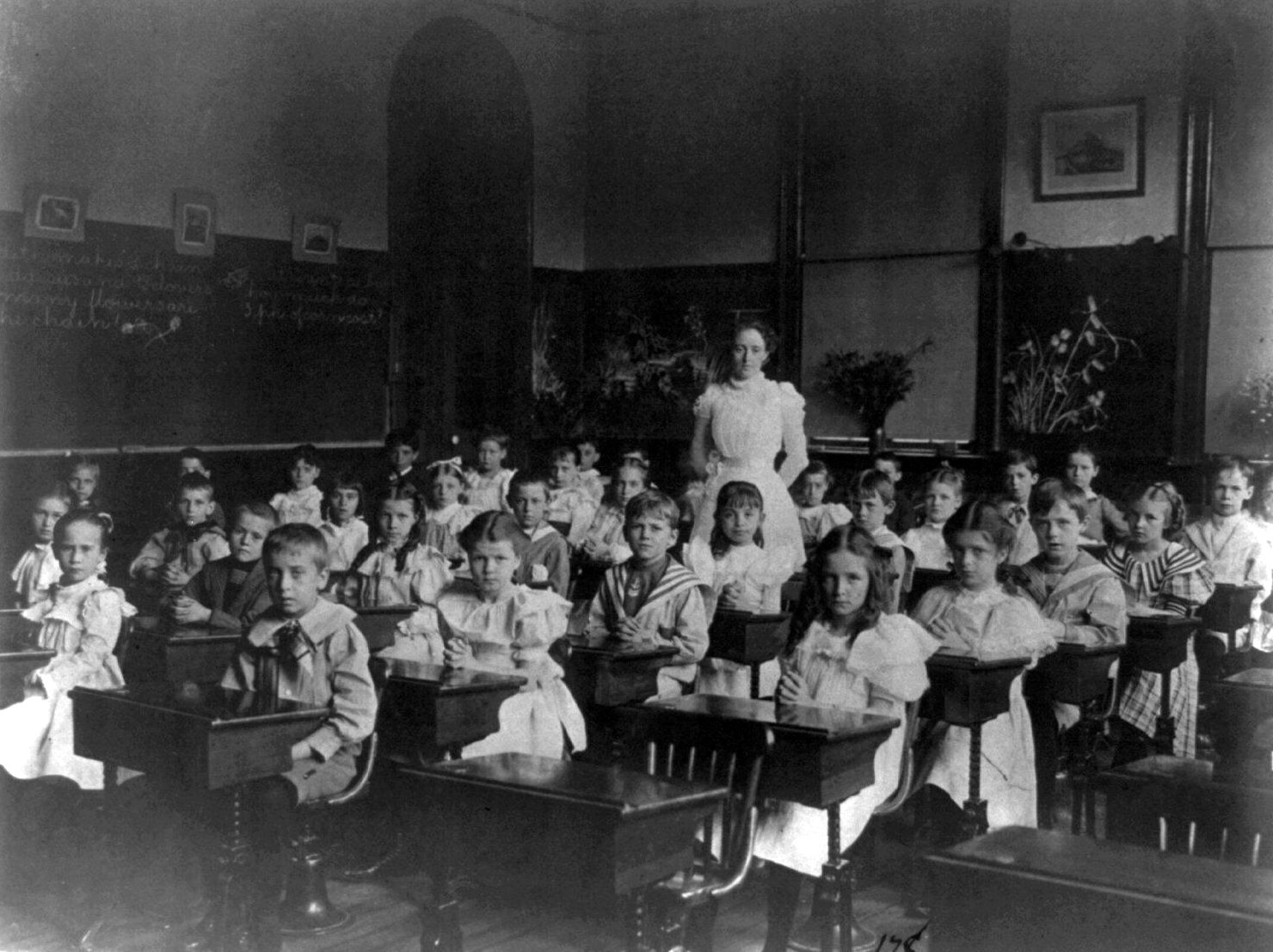
Washington, D.C. One teacher, one room, one assigned school. The money followed the building.
Now53% of Florida K–12 students use an option other than their assigned school.
Families got options.
Educators mostly didn't.
An entire field measures what families do with portable school funding. We measure what the institutions that prepare and employ educators do about it.
When K–12 funding follows the student, how do colleges and universities respond? And who is leading?
Florida homeschool students projected to be funded through the PEP scholarship, 2025–26
of teachers feel prepared to teach in a microschool, against 87% for a district school
universities prepare educators for microschools, hybrid schools or homeschool support
Teachers are ready for one kind of school
Families now choose private, charter, religious, virtual, hybrid and home-based options. Teacher readiness falls with each step away from the district school.
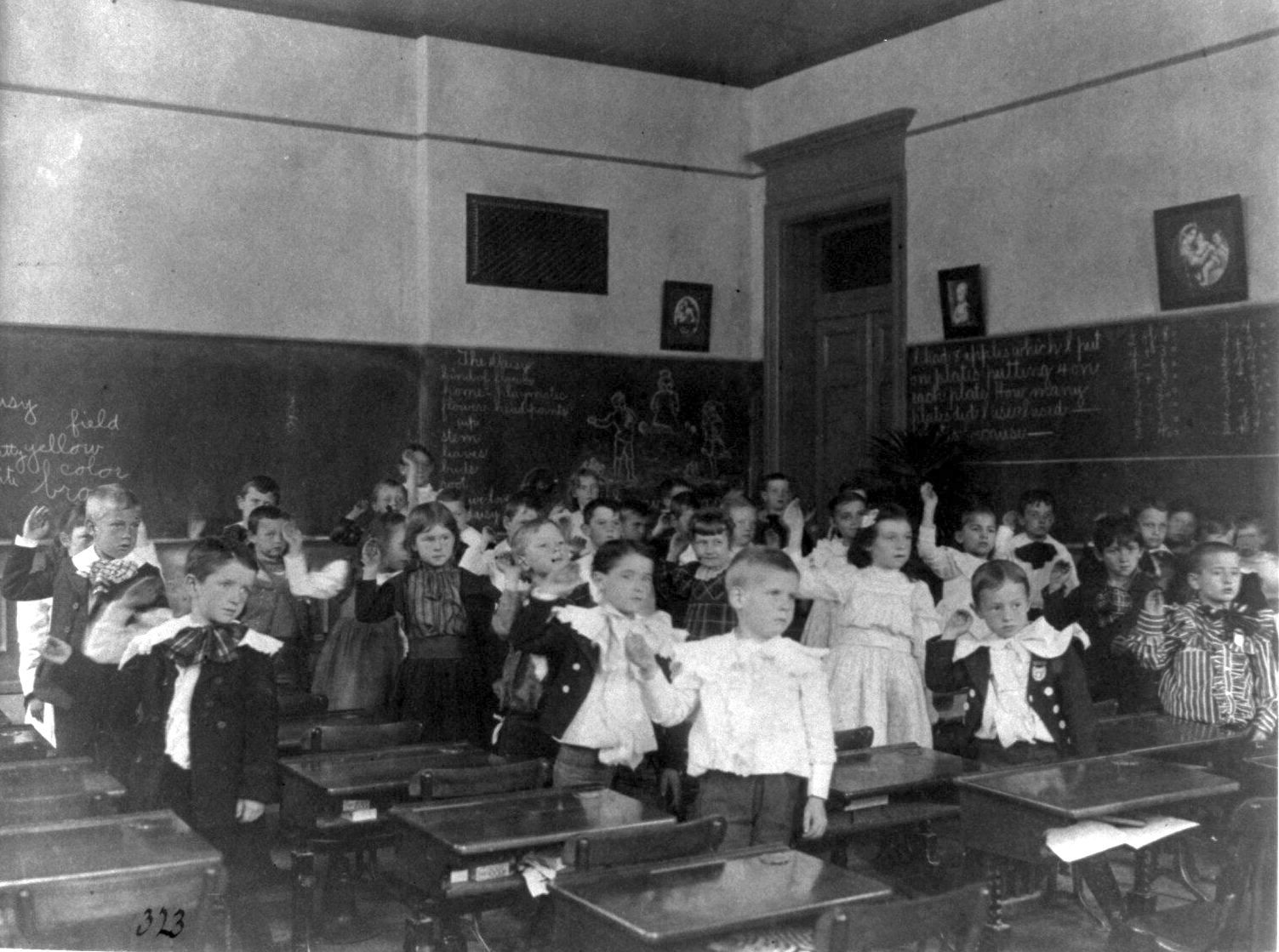 1899
1899Who counts as an educator is widening.
About 4 million tutors, coaches, mentors and afterschool staff work alongside classroom teachers. Arizona State's education college now treats them as one youth-serving workforce, and its September 2026 report asks universities to build degrees, certificates and stackable credentials for it. Portable funding pays for many of these roles directly.
U.S. teacher-prep enrollment is down a third since 2010–11.
Title II data via CEEPA / NCTQ
0 of 5 major choice research groups track how teacher-prep institutions respond.
EdChoice, ExcelinEd, Heritage, Center for Education Reform, Cato. Where WMFC fits
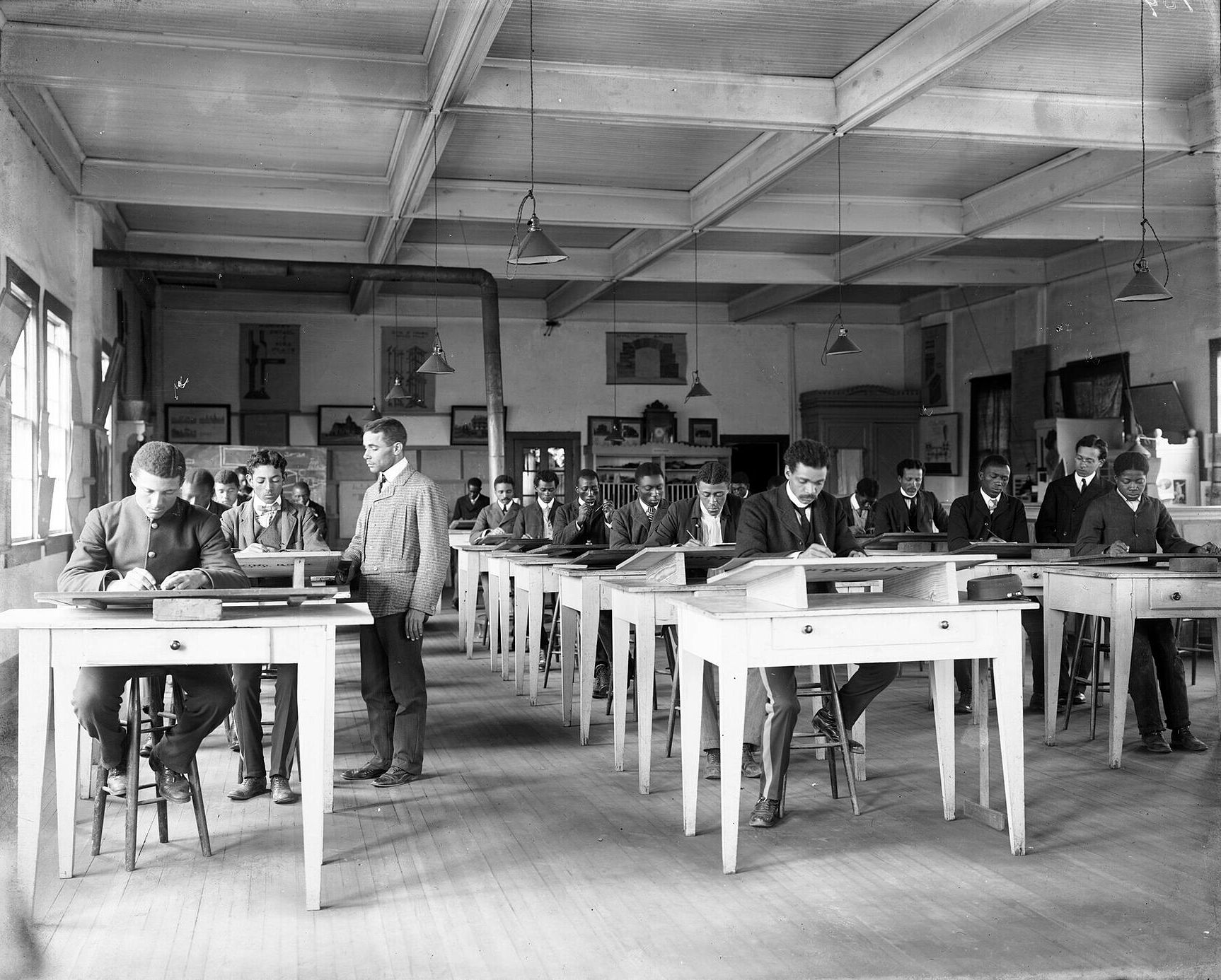 1902
1902universities prepare educators for microschools, hybrid schools or homeschool support.
See all 102102 universities, three lists, one answer
Florida first, then the 71 AAU research universities and all 74 U.S. News Most Innovative. Each bar splits one list by how its universities respond.
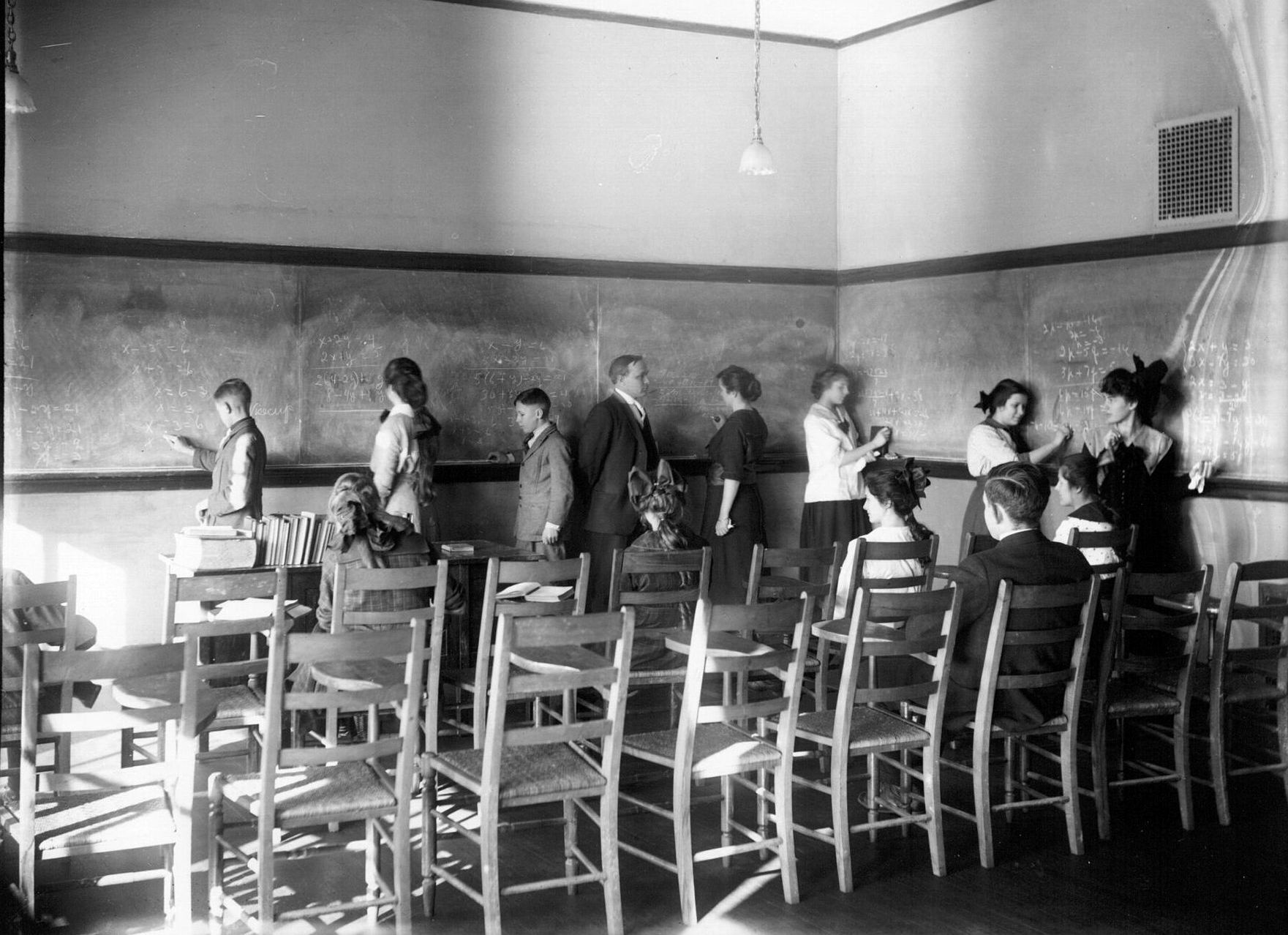 1916
1916On every list, about two in three show no response we could find.
Where universities do respond, it is mostly outside the education school: university-run online schools like ASU Prep Digital, which takes Arizona ESA funds, or Auburn, a registered Alabama ESA provider.
Who's moving, and which way
Every response gets one direction. Tap a direction to filter. Each card links to its source.
Verified examples only. A card records what an institution did, not whether it was a good idea.
See who is leadingThe Readiness Index
Institution by institution: has anyone built the workforce that portable funding needs? The 2026 baseline codes 39 institutions across 9 states.
 1899
1899Where Florida institutions engage, they sponsor schools. They do not build programs.
All four Florida Tier 1 rows are charter sponsors: one university and three state colleges. UF and FSU run lab schools, but neither uses them to prepare educators for this sector.
Holding a license is the line. Nothing in the Index serves the unlicensed slice.
That slice is microschools, hybrid schools, homeschool co-ops and ESA providers: the fastest-growing part of the market.
Open the full Index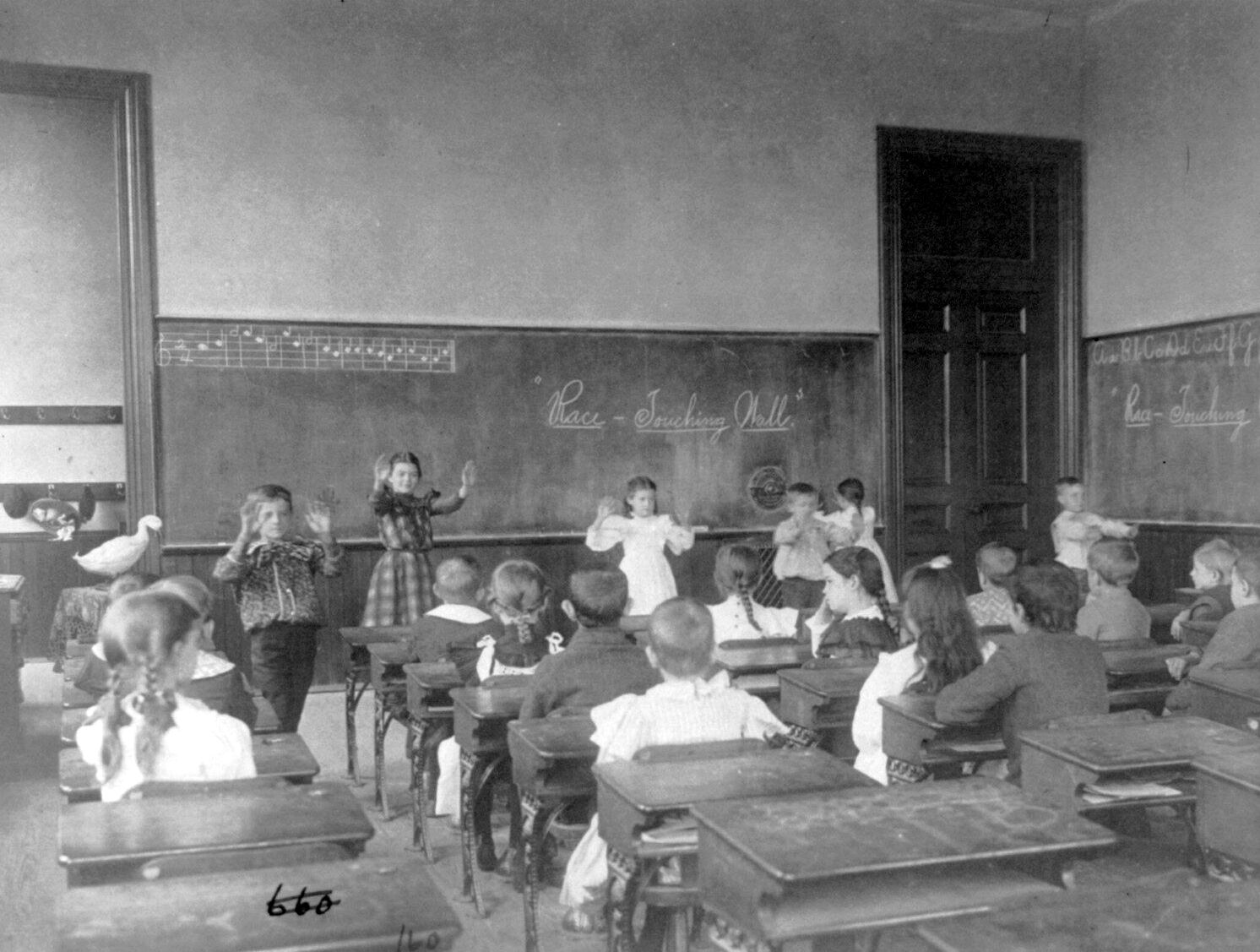 1899
1899Florida districts now sell services to students they don't enroll. The districts moved first.
How districts respondThe comparison: districts moved faster
Districts lose enrollment directly, so they are the benchmark. The share of Florida districts that sell part-time services to scholarship students they do not enroll:
53 of 67 Florida districts sell to students they don't enroll.
They went from about one in three to about three in four in a year. Over the same period, the Index found no Florida education-school program built for this sector.
One district bought its microschool model from two former teachers.
How districts respond Field Note 09Four lanes of highway. One never paved.
384 years of school-funding history in five tracks. Darker means more recorded events. Tap a cell to see what happened.
NowIn 384 years of school-funding history, the record shows no college response before 1990.
Beyond the U.S.
Who else lets public money follow the student, and who trains the people who staff those schools.
 1899
1899Around the world, public money for non-state schools often pays the teachers.
France, Austria, Ireland, Bangladesh, Ghana, New Zealand and 17 more countries fund the people who staff non-state schools. The United States pays per pupil and leaves staffing to the school.
Open the Atlas International precedents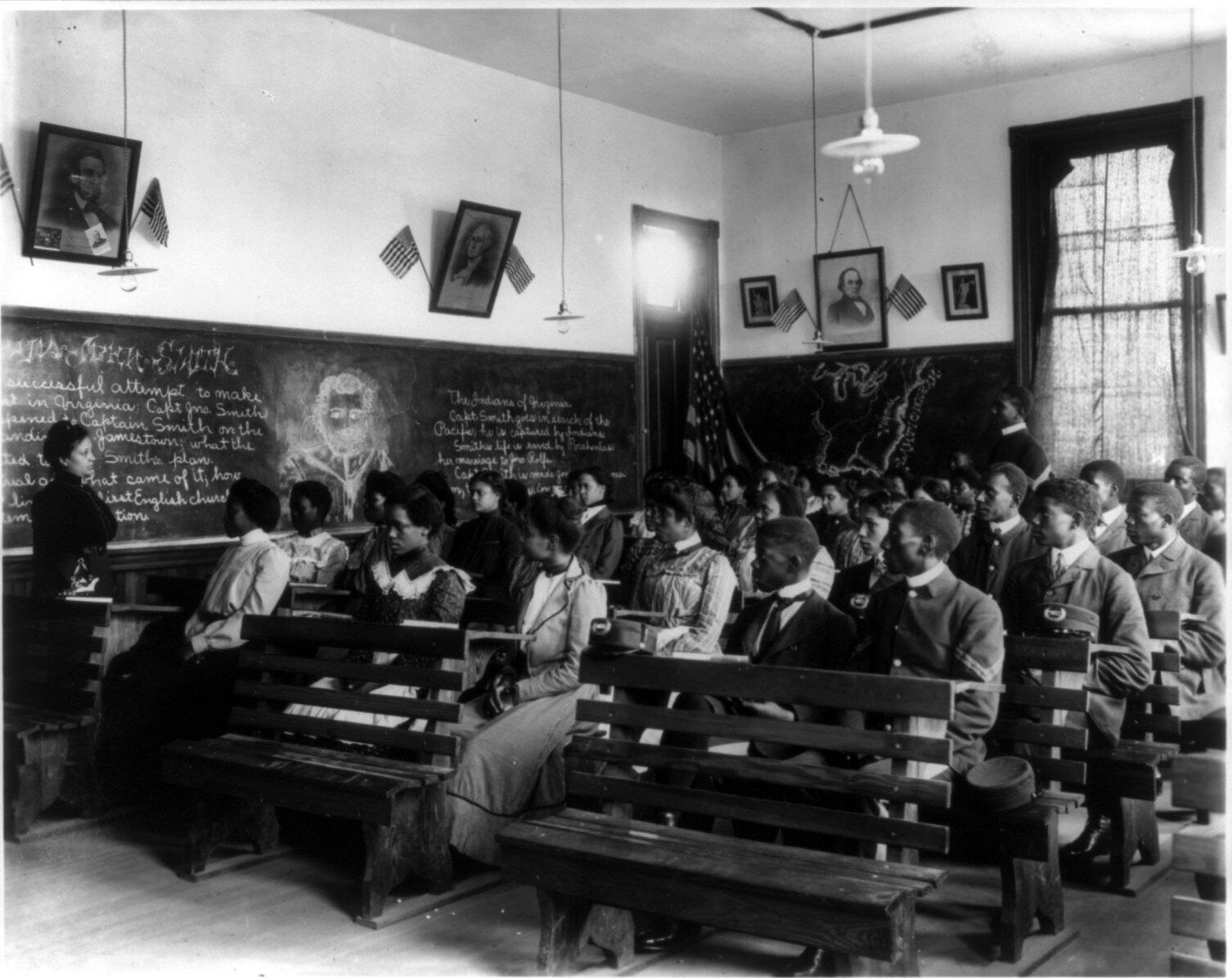
The money now follows the child.
Educator preparation still follows the building.
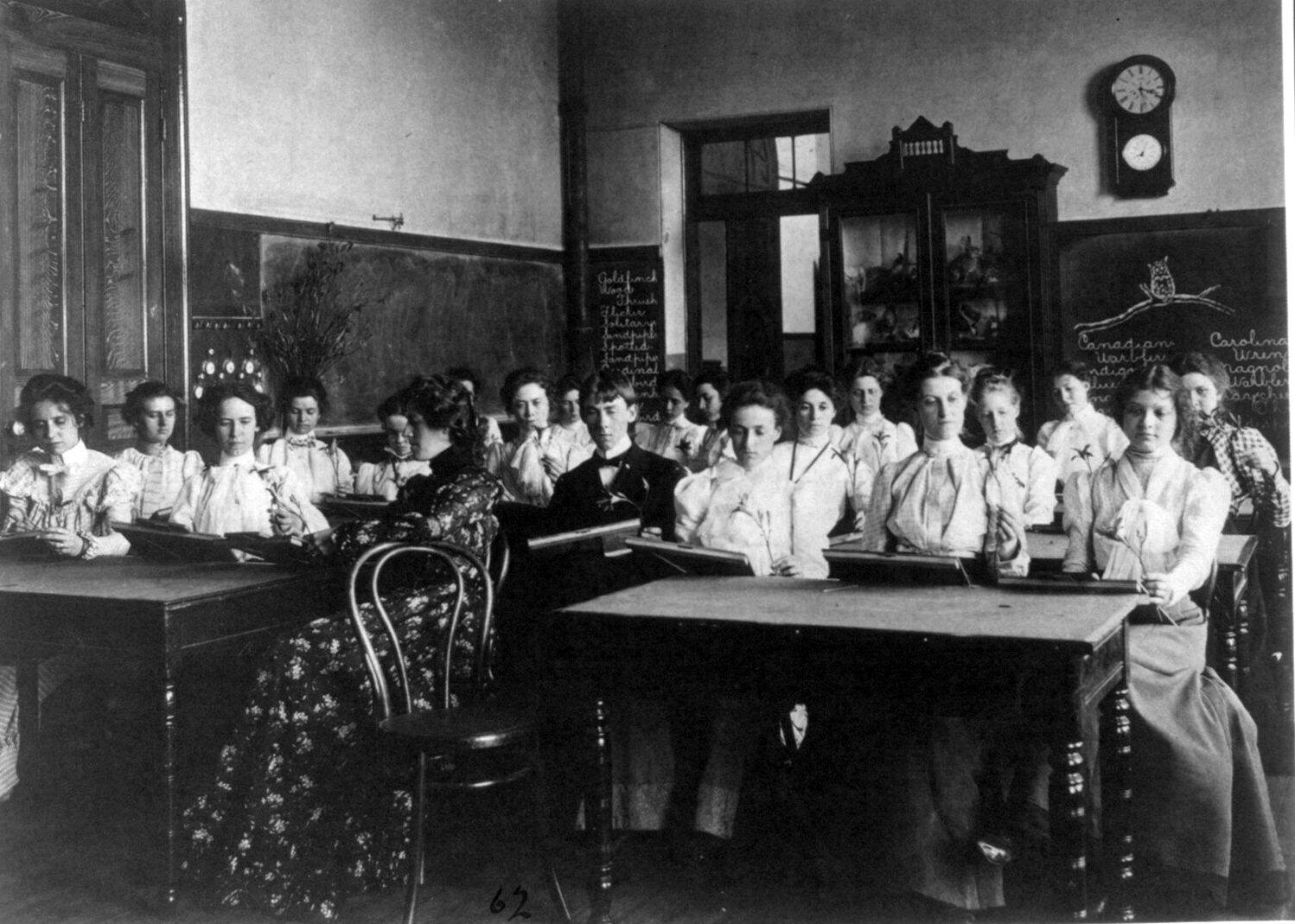
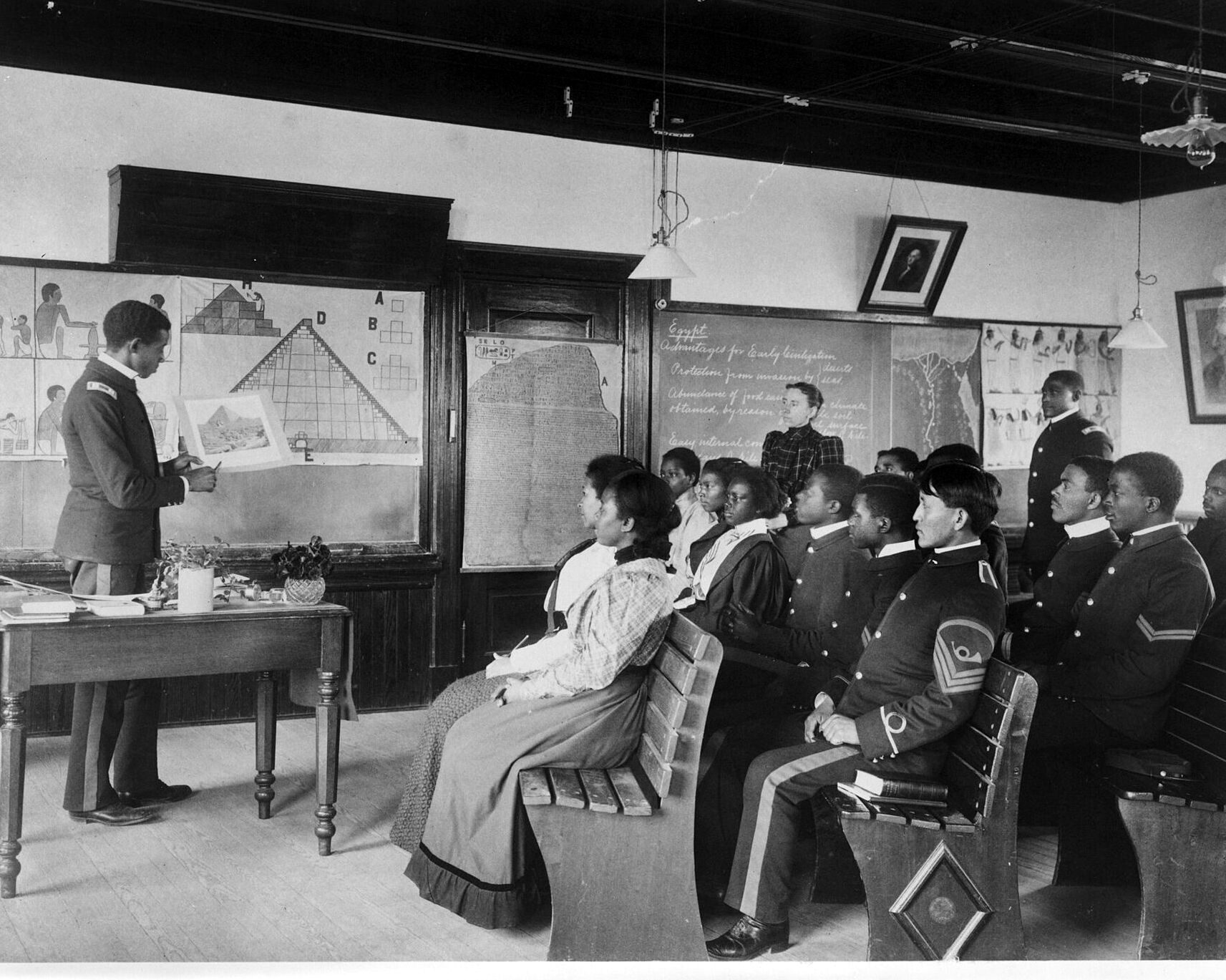
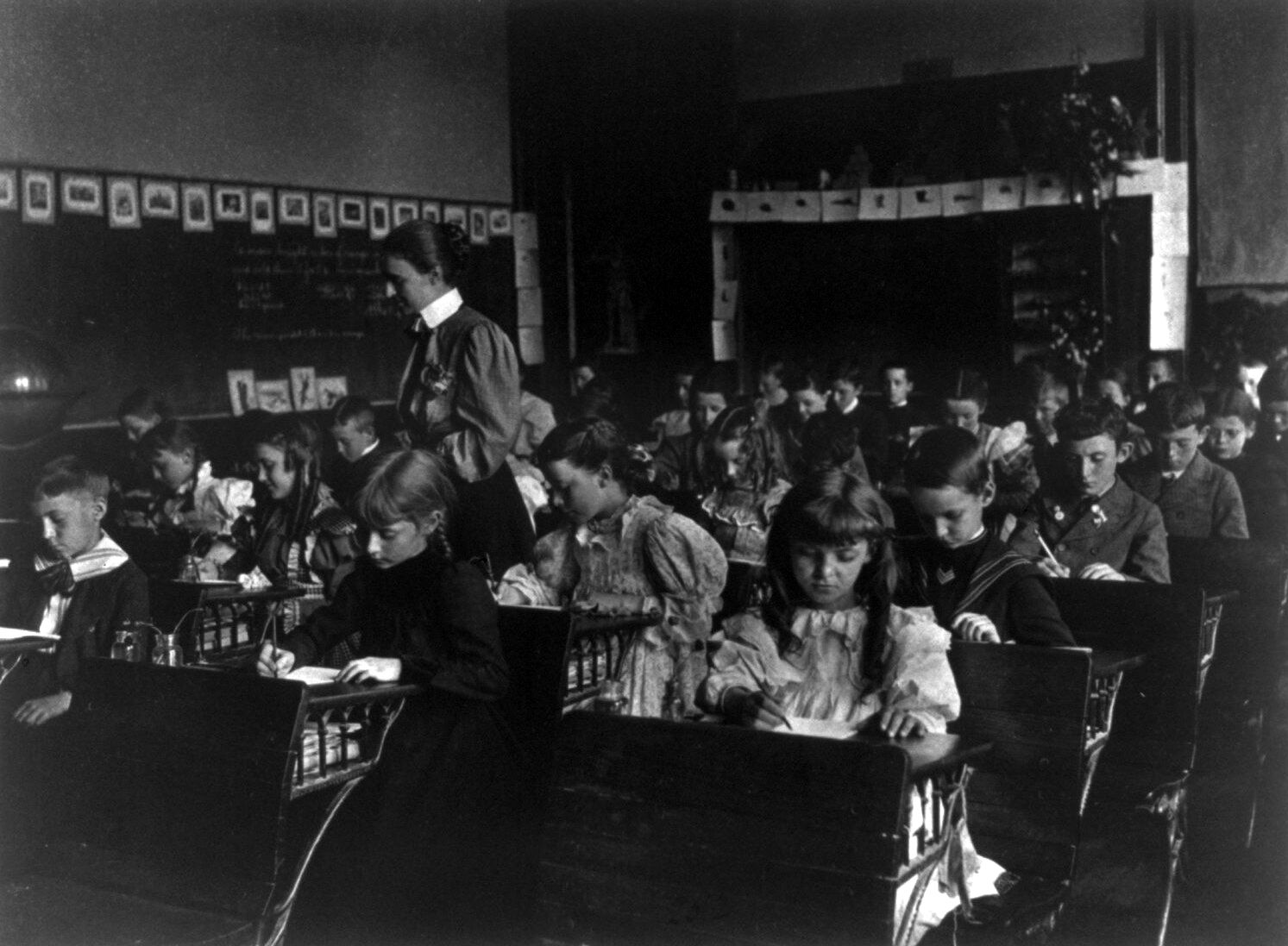
Families moved. Districts adapted. The institutions that prepare educators are the last part of the system still built for the room in these photographs.
Field Notes
Short findings between editions. Each has a permanent address.
A Florida district needed a school model. It bought one from a microschool operator.
Polk County contracted a private microschool founded by two teachers who had left a Polk County public school. The Index has coded 21 Florida institutions and found no education-school program built for this sector. Both facts describe the same state in the same year.
Three-quarters of Florida districts now sell to students they do not enroll
District participation in Florida's part-time scholarship marketplace went from roughly one in three to about 75% of 67 districts in twelve months. Texas districts, offered state money for a comparable arrangement, mostly declined. The contrast is the finding.
In much of the Americas, the money follows the teacher
Coding North and South America turned up a mechanism the school-choice literature barely names: public money paid not per pupil, but against a private school's teaching payroll. Five systems in this hemisphere work that way.
Florida built a second door, and we walked past it
A 2021 law let Florida colleges sponsor charter schools. Four institutions now do. We had coded one of them "nothing found" — because we read its course roster and stopped.
We coded the University of West Florida "nothing found." It is a registered charter school sponsor.
We read its course roster and stopped. The state's sponsor directory now comes first in our method. All corrections
How we work
Verified examples only
No dated primary source, no claim. The records are the argument.
Absence is drawn
"Searched, none found" and "not yet checked" are different findings. Both are shown.
Citations stay inline
Every source sits next to the claim it supports.
Corrections in the open
What was wrong, what is right, and what it changes. Permanent.