Everything behind the story, on one page.
Each chart and dataset from the homepage story, with its sources and its limits. Jump to teacher readiness, Florida teacher supply, the university scan, the Preparation Index, districts, the timeline or corrections.
Florida homeschool students funded through the PEP scholarship, 2025–26
of teachers feel prepared to teach in a microschool, against 87% for a district school
universities helps people open a microschool. It is Arizona State, outside its education school.
Teachers are ready for one kind of school
Families now choose private, charter, religious, virtual, hybrid and home-based options. Teacher readiness falls with each step away from the district school.
 1899
Who counts as an educator is widening.
About 4 million tutors, coaches, mentors and afterschool staff work alongside classroom teachers. Arizona State's education college now treats them as one youth-serving workforce, and its September 2026 report asks universities to build degrees, certificates and stackable credentials for it. Portable funding pays for many of these roles directly.
U.S. teacher-prep enrollment fell a third from 2010–11 to 2021–22.
CEEPA, Penn State, 2024, from federal Title II reports. Latest year published.
EdChoice scanned teacher-prep programs in four states in 2023. We extend that scan to 102 universities and repeat it.
Florida's colleges prepare 60% fewer teachers. Most of the drop came before universal choice.
People who finished a state-approved program leading to a Florida teaching certificate, by who ran the program. Dashed lines mark Florida's first ESA and universal eligibility.
Most of the decline came before universal choice.
College completers fell from 7,406 to 3,453 by 2022–23, the last year before HB 1 made every student eligible. That is 89% of the total drop. The whole pipeline fell 53%, not only colleges, while U.S. teacher-prep enrollment fell about a third. The timing does not support reading the decline as a response to portable funding.
The largest teacher preparer in Florida is not a university.
District and charter certification programs, counted together as one route, finished 657 teachers in 2023–24. The largest single university, UCF, finished 392. Programs outside colleges went from 8% of new teachers to 22%, mostly because colleges shrank: their own count rose only from 652 to 819.
A charter-school service firm out-produced the flagship.
Noble Education Initiative, which serves more than 100 charter schools, finished 116 Florida teachers. The University of Florida finished 106.
Education degrees fell a third. Certified completers fell more.
Florida education bachelor's degrees fell 36% from 2011–12 to 2023–24. FIU awarded 433 of them in 2023–24; 65 people finished its teacher program. NCES IPEDS, 2023–24 provisional
 1902
universities helps people open a microschool. We found none that prepares hybrid-school or homeschool co-op educators.
See all 102102 universities, one answer
The university scan. Every AAU member (71) and every U.S. News Most Innovative university (74). 43 are on both lists, 7 are in Florida. Each bar splits one group by how its universities respond.
 1916
About half show no response we could find. In Florida, five of seven.
The most common response is running or authorizing a school, not preparing anyone for one. 18 universities run, founded or authorize K–12 schools, from UT Austin's 24-campus charter district to ASU Prep Digital, which takes Arizona ESA funds.
Who's moving, and which way
Every response the university scan found, newest first, plus the Florida programs that open student teaching beyond districts. Tap a direction to filter.
Verified examples only. A card records what an institution did, not whether it was a good idea. Counts match the 102-university scan above.
See who is leadingThe Preparation Index
A separate, deeper dataset. Education-preparation programs read one by one, not a scan of reputations. The 2026 baseline codes 87 institutions across 15 states. Florida is the deepest: 46 institutions, including state colleges the university scan does not cover.
 1899
Where Florida institutions engage, they run schools. They do not build programs.
13 Florida institutions are in the sector: 11 state colleges and two universities. Every one runs or authorizes charter schools. Florida law lets a state college with an approved teacher-preparation program operate K–12 charter schools (s. 1002.33(5)(b)4); eight of the 11 colleges have such a program. None of the 13 has built a program to prepare educators for the sector.
Holding a license is the line. Nothing in the Index prepares educators for the unlicensed slice.
That slice is microschools, hybrid schools, homeschool co-ops and ESA providers: the fastest-growing part of the market.
Open the full Index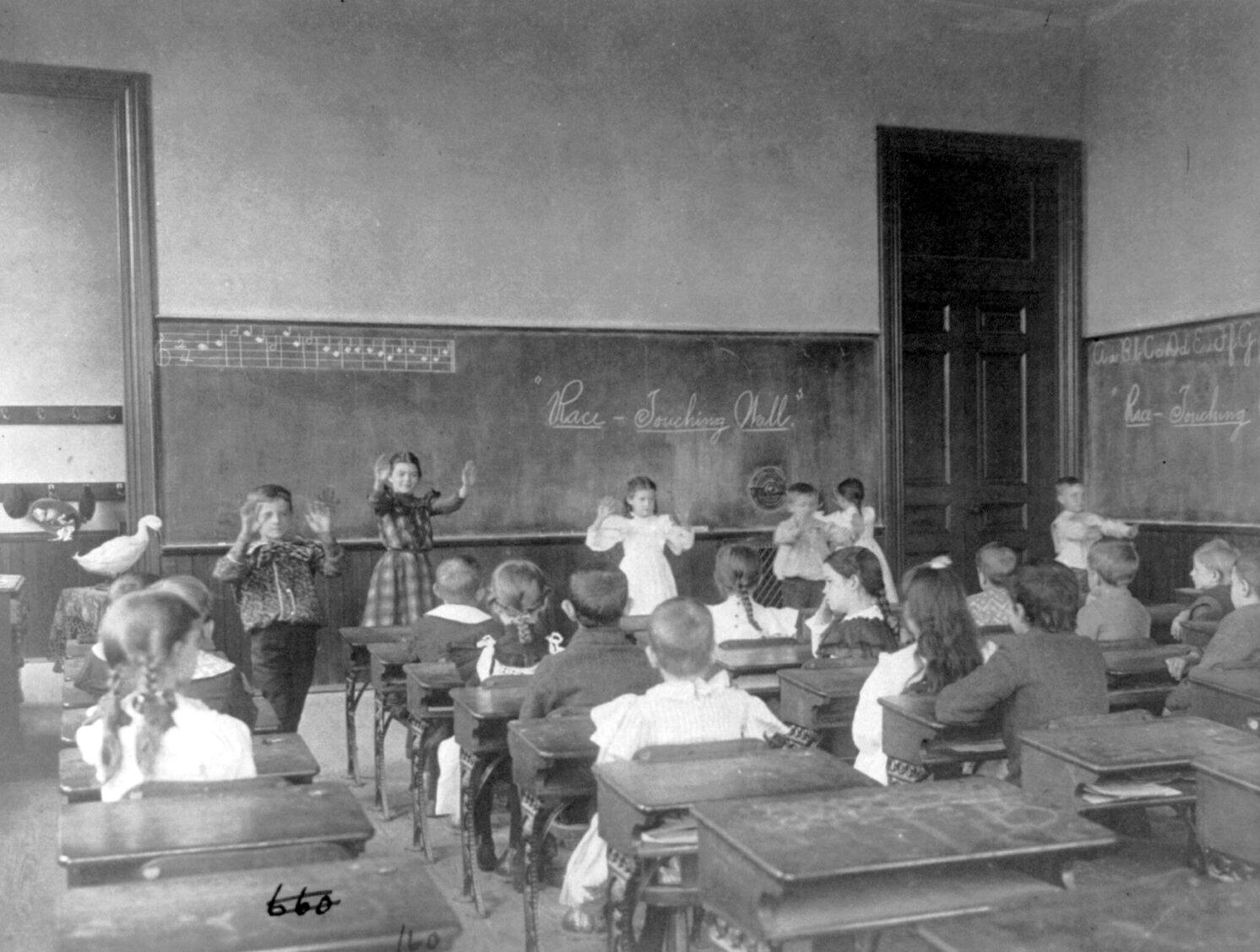 1899
Florida districts now sell services to students they don't enroll. The districts moved first.
How districts respondThe comparison: districts moved faster
Districts lose enrollment directly, so they are the benchmark. The share of Florida districts approved or applying to sell part-time services to scholarship students they do not enroll:
53 of 67 Florida districts are approved or applying to sell to students they don’t enroll.
They went from about one in three to about three in four in a year.
Compare like with like: colleges took 0.25% of what families spent.
Districts are measured here as sellers, so colleges should be too. In 2024–25, PEP families spent $667,284 at postsecondary institutions or programs, out of $269.9 million in total PEP spending (Step Up For Students, 2025–26 Fast Facts). The 13 Florida colleges and universities in the sector entered it by running or authorizing charter schools, not by selling to scholarship families. Neither measure is about preparing teachers; the Preparation Index covers that.
One district bought its microschool model from two former teachers.
How districts respond Field Note 09Four lanes of highway. One never paved.
384 years of school-funding history in five tracks. Darker means more recorded events. Tap a cell to see what happened.
What counts as a response. The postsecondary track records a college or university acting on portable K–12 funding: running, authorizing or selling to schools and families that funding reaches, or preparing their educators. Portable funding was rare before 1990; town tuitioning in Vermont and Maine, from 1869, is the main earlier case. Older college ties to schools outside the district system, such as university lab schools (Chicago’s opened in 1896) and Catholic colleges preparing parochial-school teachers, were not responses to portable funding and are not counted. “None before 1990” means none found in the record, under that definition.
NowIn 384 years of school-funding history, the record shows no college response to portable funding before 1990, the year Milwaukee’s voucher program began.
Beyond the U.S.
Who else lets public money follow the student, and who trains the people who staff those schools.
 1899
Around the world, public money for non-state schools often pays the teachers.
France, Austria, Ireland, Bangladesh, Ghana, New Zealand and 26 more countries fund the people who staff non-state schools. The United States pays per pupil and leaves staffing to the school.
Open the Atlas International precedents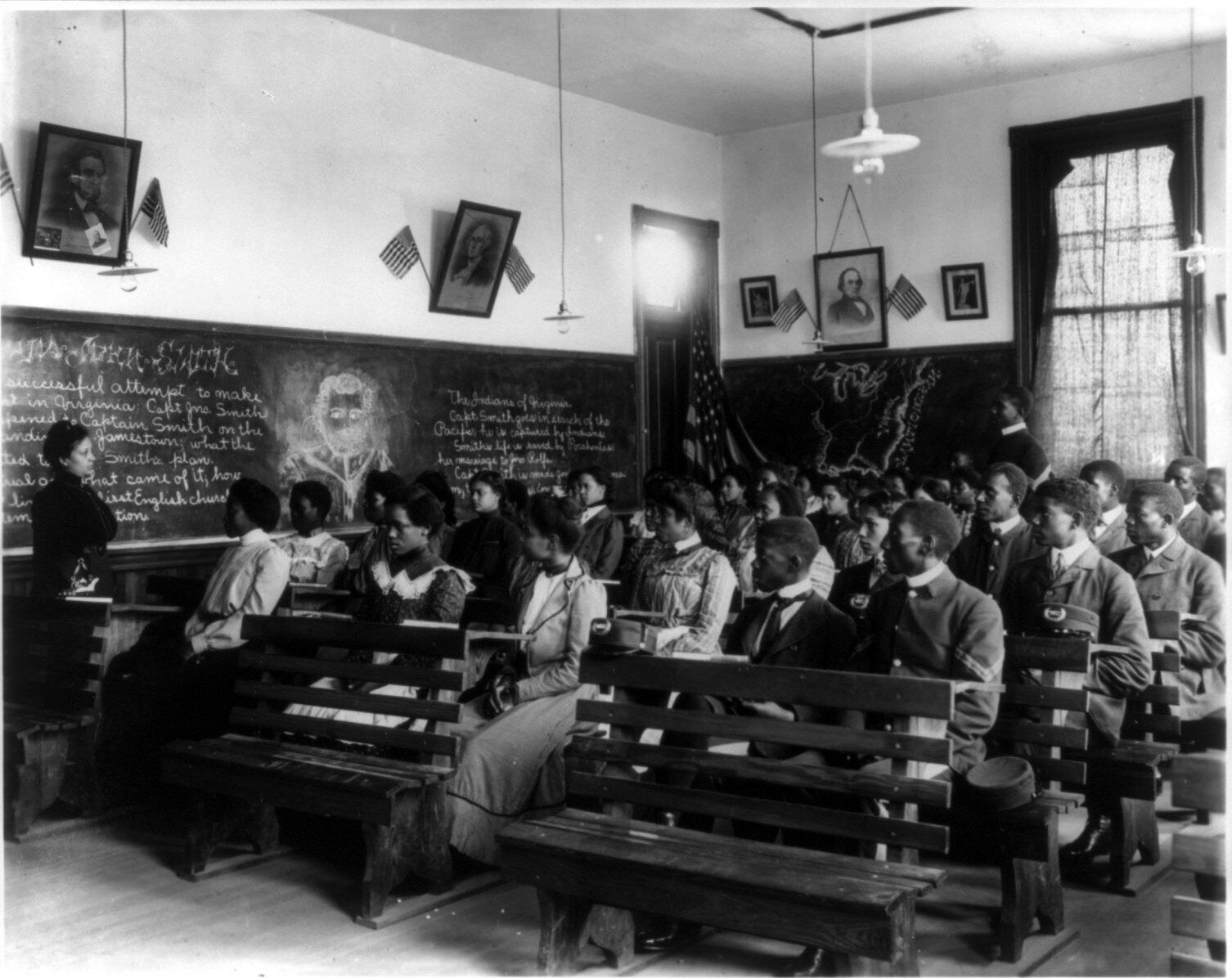
The money now follows the child.
Educator preparation still follows the building.
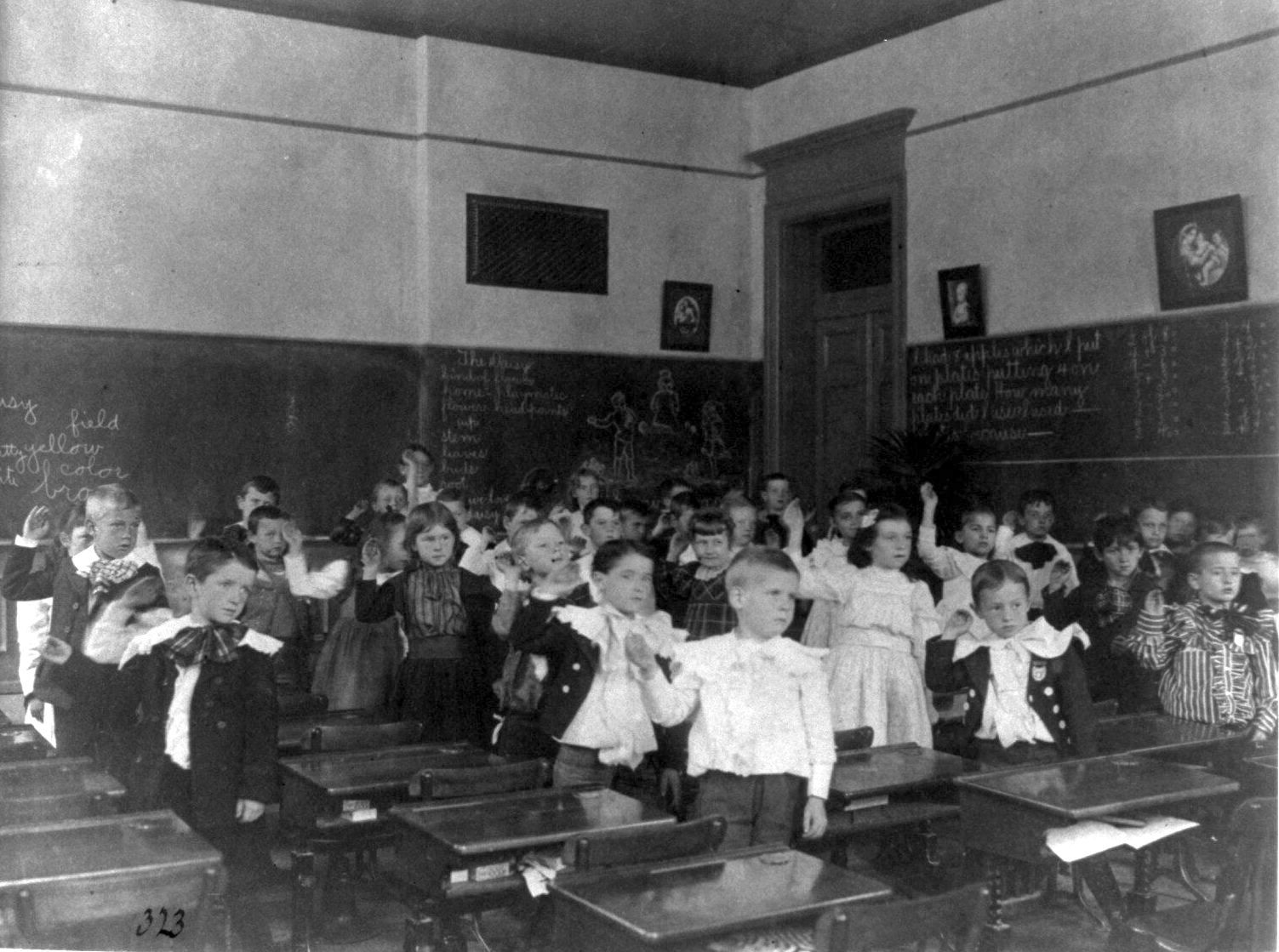
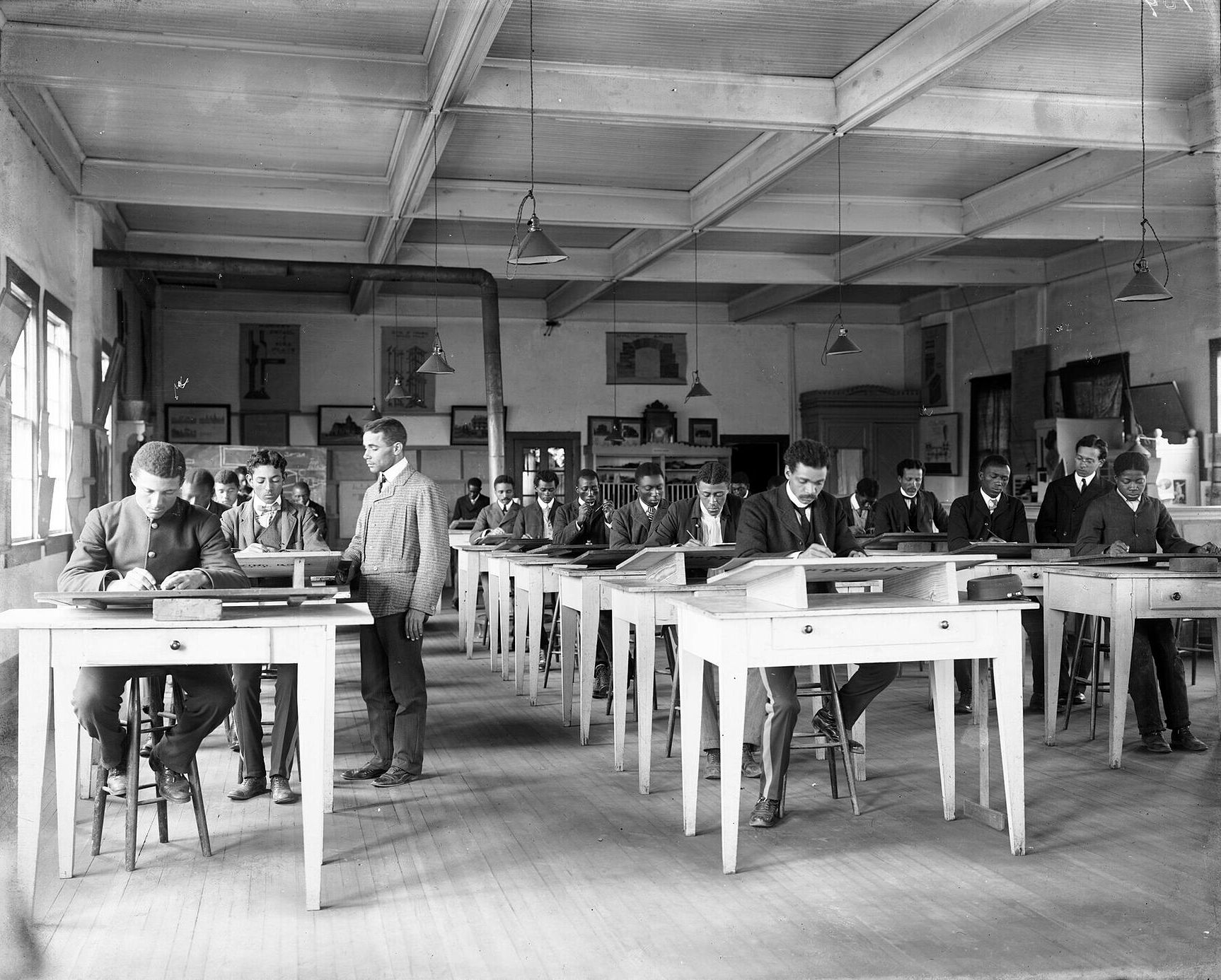
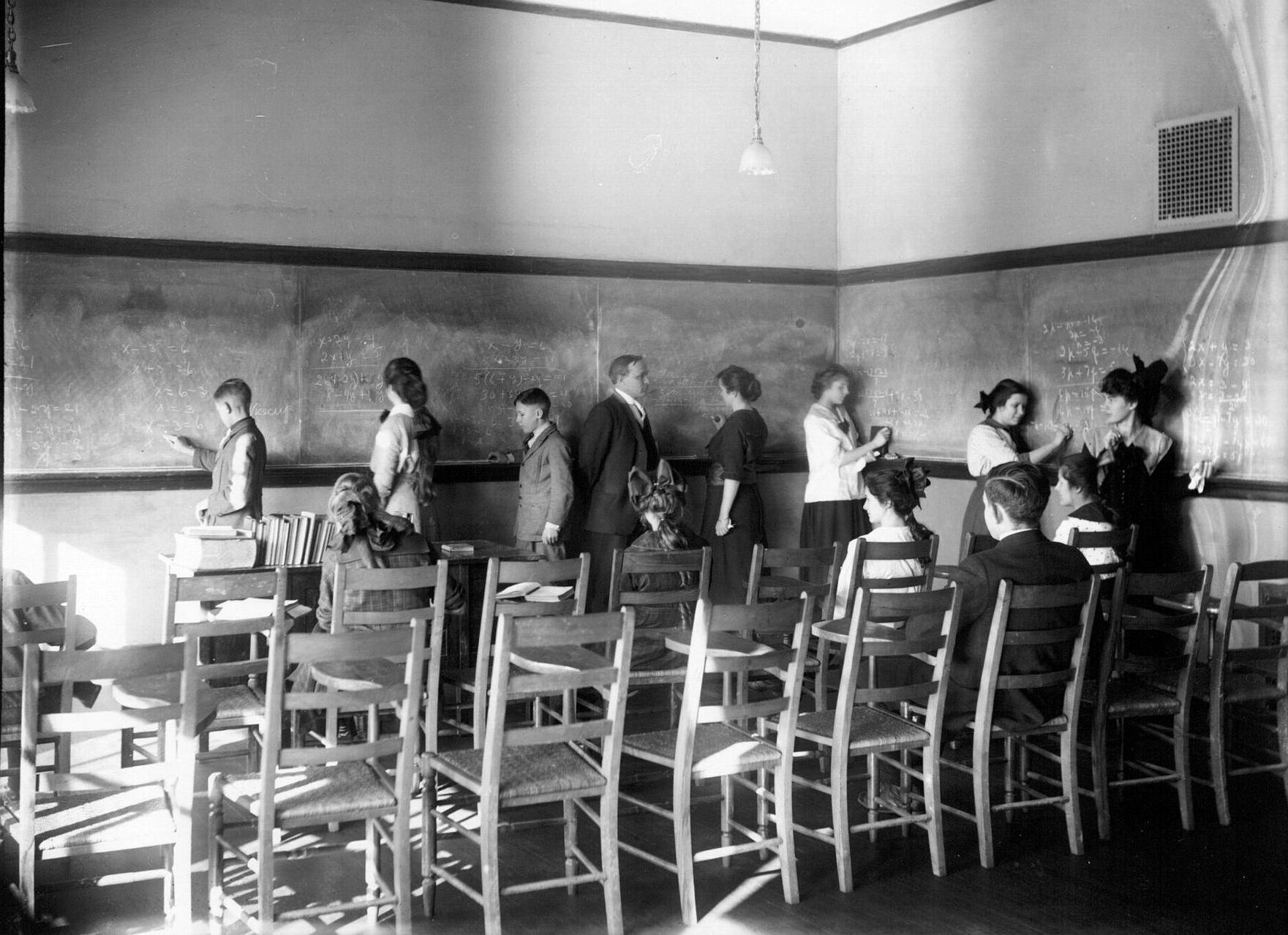
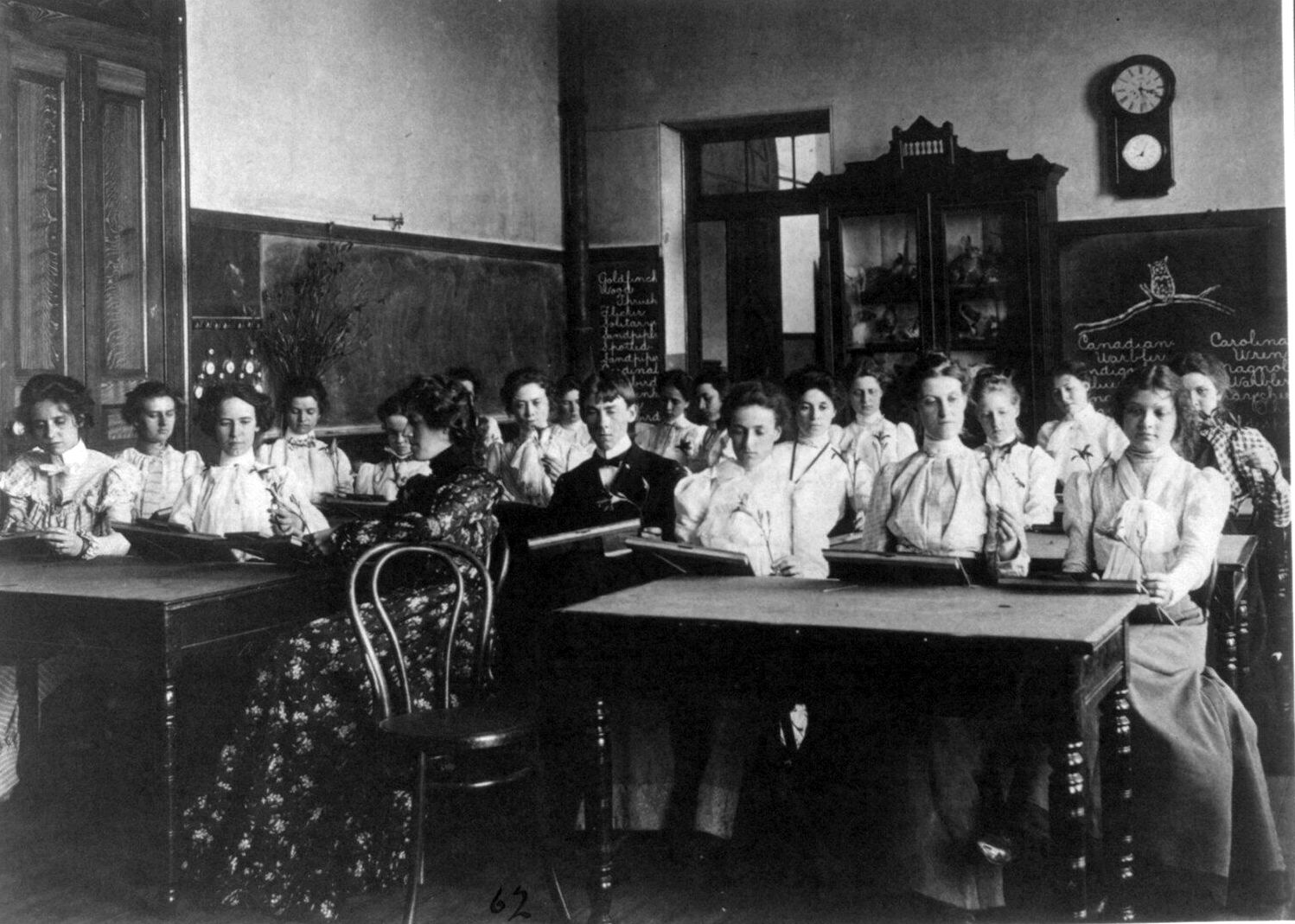
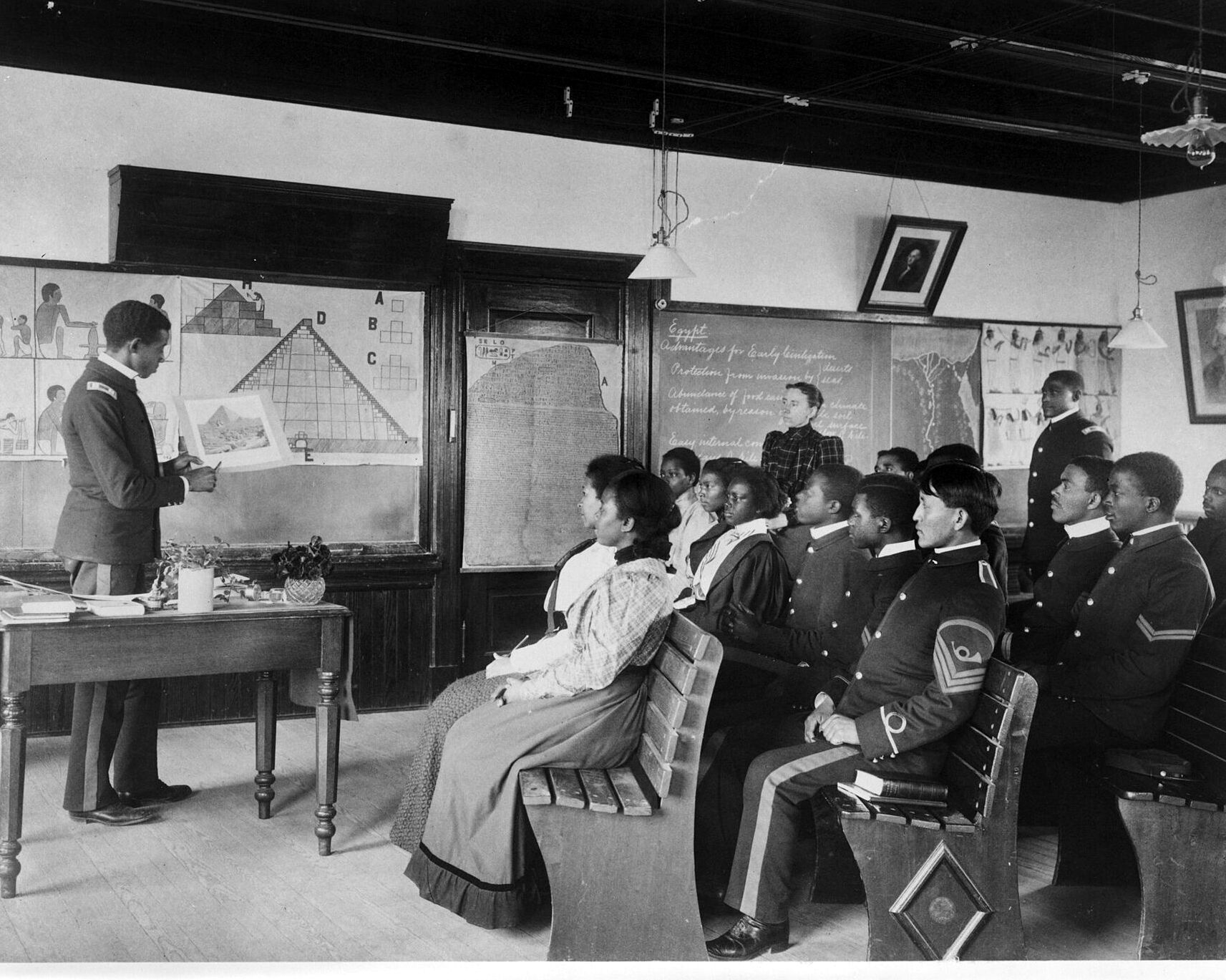
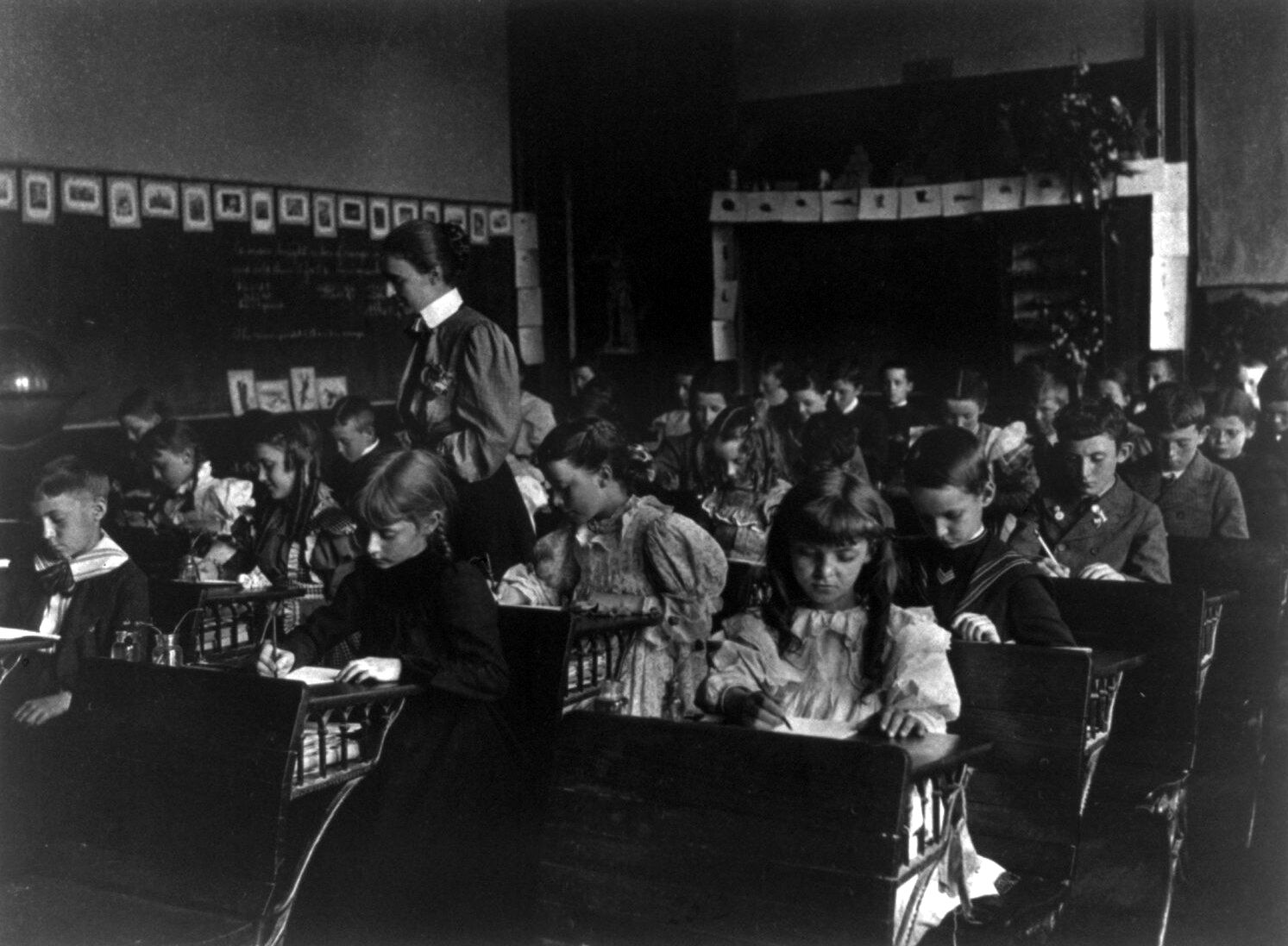
Families moved. Districts adapted. The institutions that prepare educators are the last part of the system still built for the room in these photographs.
Field Notes
Short findings between editions. Each has a permanent address.
On January 1, a federal tax credit starts paying for tutoring. No university prepares tutors for it.
The new federal scholarship tax credit can cover tutoring and after-school programs for public school students, not only private tuition. Thirty states are on the IRS list of participants. The workforce it pays for has no degree path.
Who prepares the teachers of microschools, classical schools and Christian schools? Mostly organizations that publish no counts.
We found twelve organizations preparing educators for the schools portable funding pays for. Three publish a number of people prepared. One reports to a state.
On the ESA vendor lists, universities are a rounding error.
Texas lists 5,648 approved vendors for its new ESA program. About ten belong to colleges, and most of those are campus child-care centers.
Nine campus centers study the new schools. None prepares their teachers.
Research on hybrid schools, homeschooling and microschools now has a home on campus. Preparing the people who teach in them does not.
Field Note 17 said 31 states opted in to the federal scholarship tax credit. The IRS list shows 30.
Field Note 17 took its count from press reporting. The IRS list, the official record, shows 30 as of 22 October 2026; the note now cites it. We also now name the author, state that the project is self-funded, and print the data tables into the page so they read without JavaScript. Read the correction
We said 53 Florida districts sell to scholarship students. Our source said approved or applying. And we said most universities had not responded; about half have.
Our district count said “sell” where our source said “approved or in process,” and the Districts page said most universities had not responded when about half have. Both are fixed. We also now compare districts and colleges as sellers, publish the search protocol, and test whether anyone pays for the credential. Read the correction
Our headline numbers disagreed across pages, we missed a Florida charter sponsor, and we called Florida complete when it was not.
A review found four errors. The Universities page header said 32 universities respond and 6 compete; the data said 49 and 18. We coded Florida State University “nothing found” though it charters three lab schools. We called Florida coded in full when only 3 of 28 state colleges had been read; all 28 are now read, and Florida’s count of institutions in the sector moves from four to 13, none of them preparing educators for it. And our Florida teacher-supply chart did not say that 89% of the college decline came before universal choice. All four are fixed. The Index now reports preparing educators and running schools separately, and is renamed the Preparation Index. Read the correction
We said about two in three universities showed no response. After a second search, it is about half.
Our first pass searched mostly education schools. A second search recoded 17 of 70 universities, 12 of them for running, founding or authorizing schools. No response found is now 46% of the AAU and 55% of the Most Innovative. All corrections
How we work
Verified examples only
No dated primary source, no claim. The records are the argument.
Absence is drawn
"Searched, none found" and "not yet checked" are different findings. Both are shown.
Citations stay inline
Every source sits next to the claim it supports.
Corrections in the open
What was wrong, what is right, and what it changes. Permanent.